
Key Takeaways
- Holistic treatments address the physical, mental, and emotional aspects of addiction.
- Incorporating practices like yoga, meditation, and nutrition can support recovery.
- Community support and mindfulness are crucial components of holistic healing.
Substance use disorders (SUDs) require more than just medical intervention—they are deeply interconnected with a person’s mind, body, and spirit. While conventional treatment methods such as detoxification and medication are often critical elements of early recovery, they may not be sufficient to address the complex interplay of factors that contribute to addiction and promote lasting recovery. Many turn to holistic approaches that focus on healing the entire individual, not just treating symptoms. Holistic recovery is about embracing the interconnectedness of all aspects of life and cultivating habits that serve total well-being. By addressing multiple dimensions of well-being, holistic programs offer an integrated pathway to overcoming addiction. For those seeking guidance and support on their recovery journey, resources such as https://numarecoverycenters.com/ can offer insight and professional assistance, helping people recognize they are not alone and that hope is available.
Holistic care draws from a variety of philosophies and modalities, blending traditional medical treatment with complementary therapies. These may include mind-body practices, creative arts, nutritional counseling, and spiritual exploration. The aim is to empower individuals with self-care tools to restore balance, resilience, and a sense of personal fulfillment in their daily lives. By engaging both physical and psychological practices, holistic methods often address root causes of addiction—such as trauma, stress, or lack of connection—and promote long-term recovery for people with SUDs. The ongoing support and integrated care offered by holistic programs can lay the foundation for renewed purpose and lasting sobriety.
Understanding Holistic Treatment
At its core, holistic treatment recognizes that recovery from substance use is not a one-size-fits-all process. Individuals struggling with addiction often have diverse backgrounds, experiences, and underlying causes that fuel their substance use. Instead of focusing solely on the immediate symptoms of addiction, this approach promotes overall wellness through therapies that consider the whole person—physical health, mental well-being, lifestyle, environment, relationships, and even spirituality.
This integrative model prioritizes therapies and lifestyle changes that strengthen the mind-body connection. Activities like guided imagery, breathing exercises, journaling, and expressive arts offer ways to process emotions without turning to substances. Additionally, holistic approaches often encourage exploring underlying issues such as trauma or mental illness through counseling or group therapy. By viewing recovery as a journey toward whole-person wellness—not simply abstinence—holistic treatment can offer hope and practical tools for lasting change, transforming the recovery process into a profoundly personal and meaningful experience where growth is continuous.
Mindfulness and Meditation
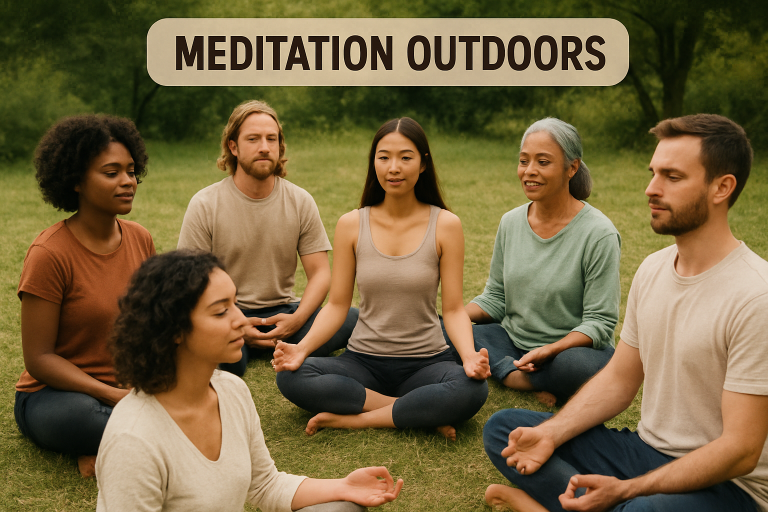
Mindfulness and meditation are foundational to many holistic recovery programs, as they cultivate self-awareness and emotional balance. These practices help individuals learn to observe thoughts and feelings without judgment, reducing the stress and reactivity often linked to relapse. Mindfulness programming in addiction recovery has been associated with better emotional regulation and lower rates of substance misuse, as highlighted by Psychology Today.
Through regular meditation, individuals become more attuned to their mental and emotional triggers and more adept at responding to cravings with healthy coping skills instead of automatic, destructive behavior. Practices such as body scans, mindful breathing, and visualization not only calm the nervous system but can also foster a more profound sense of self-awareness and acceptance throughout recovery. Developing a mindfulness practice can result in reduced anxiety and depression, greater impulse control, improved sleep, and a stronger ability to cope with everyday challenges, ultimately encouraging more adaptive behaviors and supporting long-term sobriety.
Physical Activity and Yoga
Physical activity offers transformative benefits for people recovering from SUDs. Regular exercise, whether running, swimming, dancing, or simple stretching, can significantly improve mood and energy levels. Exercise, especially yoga, promotes physical health and enhances emotional balance. Yoga, with its focus on breath, movement, and present-moment awareness, helps individuals manage withdrawal symptoms, reduce anxiety, and improve sleep. For many, building strength and flexibility through yoga or other movement-based practices also rebuilds self-esteem. Moreover, yoga emphasizes self-compassion and reflection, which can help participants develop a more positive relationship with their bodies, especially if those bodies have suffered during substance use. Consistent movement can restore connections to the body that may have been disrupted during active substance use.
Nutrition and Wellness
Substance use often leads to deficiencies in essential nutrients, which can hinder both physical and mental recovery. A well-rounded nutrition plan is crucial in rebuilding health, supporting brain function, and stabilizing mood. Consuming nutrient-rich foods can reduce inflammation, help stabilize blood sugar levels, and increase mental clarity. Replacing processed foods with whole, nutrient-dense options helps minimize cravings and improve overall energy levels, which is essential for anyone in recovery. Some recovery programs also offer meal planning and nutrition education, emphasizing the direct link between what we eat and how we feel. Following guidance on healthy eating, such as the World Health Organization (WHO) recommendations for maintaining a balanced diet, can provide practical strategies for integrating more nutritious foods into daily life. Simple steps such as staying hydrated, eating regularly, and focusing on balanced meals are foundational to regaining physical wellness during recovery. Over time, proper nutrition can help restore organ function, boost immune health, and provide the physical resilience needed to sustain long-term recovery and rebuild daily routines.
Community Support
Recovery thrives in community. The power of connection and shared experience can inspire hope and foster accountability. Whether found in traditional 12-step meetings, peer-led support circles, group therapy, or online recovery forums, the sense of shared experience is invaluable. Community connections counter isolation, a common trigger for relapse, and encourage during challenging times. Open communication and solidarity can help individuals navigate setbacks, share victories, and celebrate milestones in recovery. Studies have shown that individuals who participate in supportive recovery communities have higher rates of sustained abstinence and well-being. Group involvement can bolster motivation, help build new sober friendships, and nurture feelings of belonging that are vital to healing.
Integrating Technology
Technology has created new pathways for support and accountability in recovery. Recovery-focused mobile apps offer features such as daily check-ins, mood tracking, guided meditations, reminders, and access to virtual support groups. These digital platforms break down barriers by connecting individuals to resources and peer communities around the clock, regardless of location or schedule. Many apps allow users to set goals, track progress, and receive encouragement from others in recovery, thereby enhancing motivation and providing valuable data for self-reflection. Research shows that integrating technology into recovery can support relapse prevention strategies, offer immediate coping tools, and help maintain motivation throughout the process. For some, these resources can supplement traditional therapy and peer support, ensuring that help is always just a click away.
Conclusion
Holistic approaches to substance use disorder recovery offer a dynamic and personalized path to healing. By blending practices that nourish physical health, mental clarity, and emotional balance, these methods move beyond symptom management to cultivate genuine, long-term change. This all-encompassing view sees recovery not as a destination, but as a lifelong process of self-discovery and growth. Embracing a comprehensive, person-centered strategy empowers individuals to reclaim their lives, discover resilience, and pursue lasting wellness in recovery. For anyone on the journey, exploring holistic options can open new doors to health, healing, and hope.





COMMENTS